What if the hardest part of solving a problem is not finding the answer, but recognising what kind of problem stands before us? Some situations reward standards, others demand expertise; some reveal themselves only through careful experiments, while crises leave no time for analysis at all. Cynefin offers a way to notice these differences before familiar methods lead us astray. Because the right decision rarely begins with 'What should we do?' It begins with a quieter, more unsettling question: 'Where are we, really?'
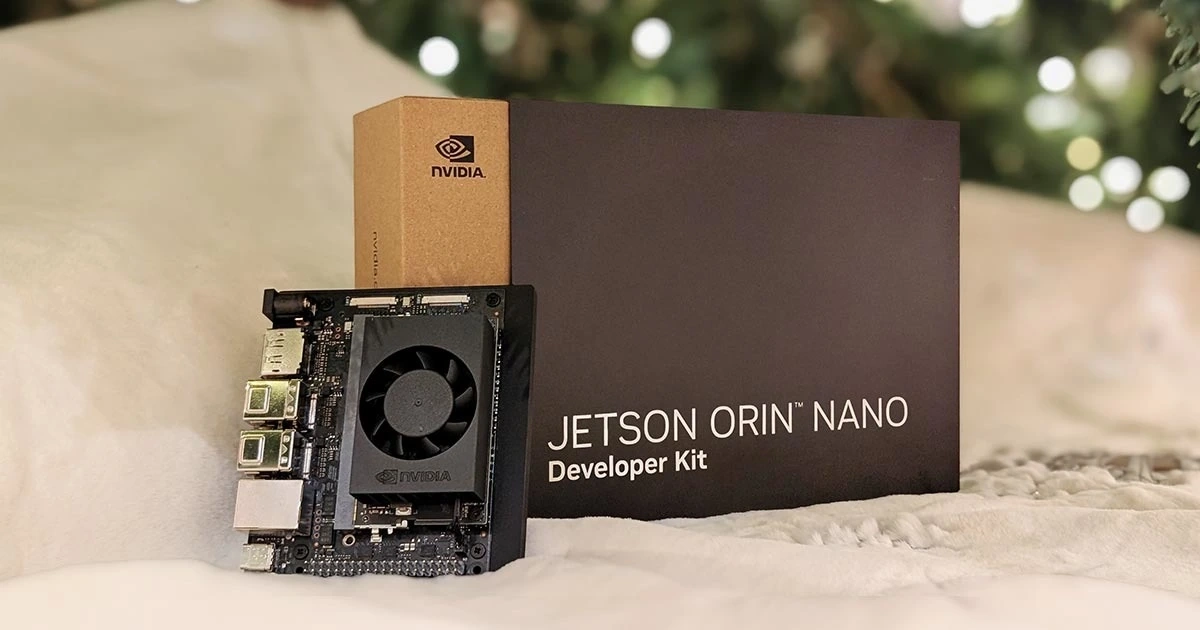
Setting up a new device always begins with a little optimism: download the image, write it to the card, connect a few cables, and move on. But sometimes the real setup is not in the official steps; it is hidden in missing cables, stubborn boot screens, conflicting tools, and small details that only appear after hours of trial and error. This is the story of turning a Jetson Orin Nano from a promising box on the desk into a working companion for future AI experiments.
A debate between two AI models may look simple from the outside: give a topic, collect arguments, choose a winner. But once the models begin to answer, the real question becomes how to keep the conversation fair, comparable, and meaningful. Behind each round there is a coordinator, a set of constraints, blind jury decisions, and many small design choices that shape the result. This experiment is less about making models argue, and more about understanding how a controlled AI discussion can be built.
Sometimes the simplest reporting need turns into a bridge between two cloud worlds. In this case, the goal was not to build a large data pipeline or introduce a heavy analytics stack, but to make project metrics visible quickly, safely, and with as little operational burden as possible. The path led from AWS Lambda to Google Sheets, through Workload Identity Federation, without long-lived keys. Along the way, small limits, missing dependencies, and permission details shaped the final solution.
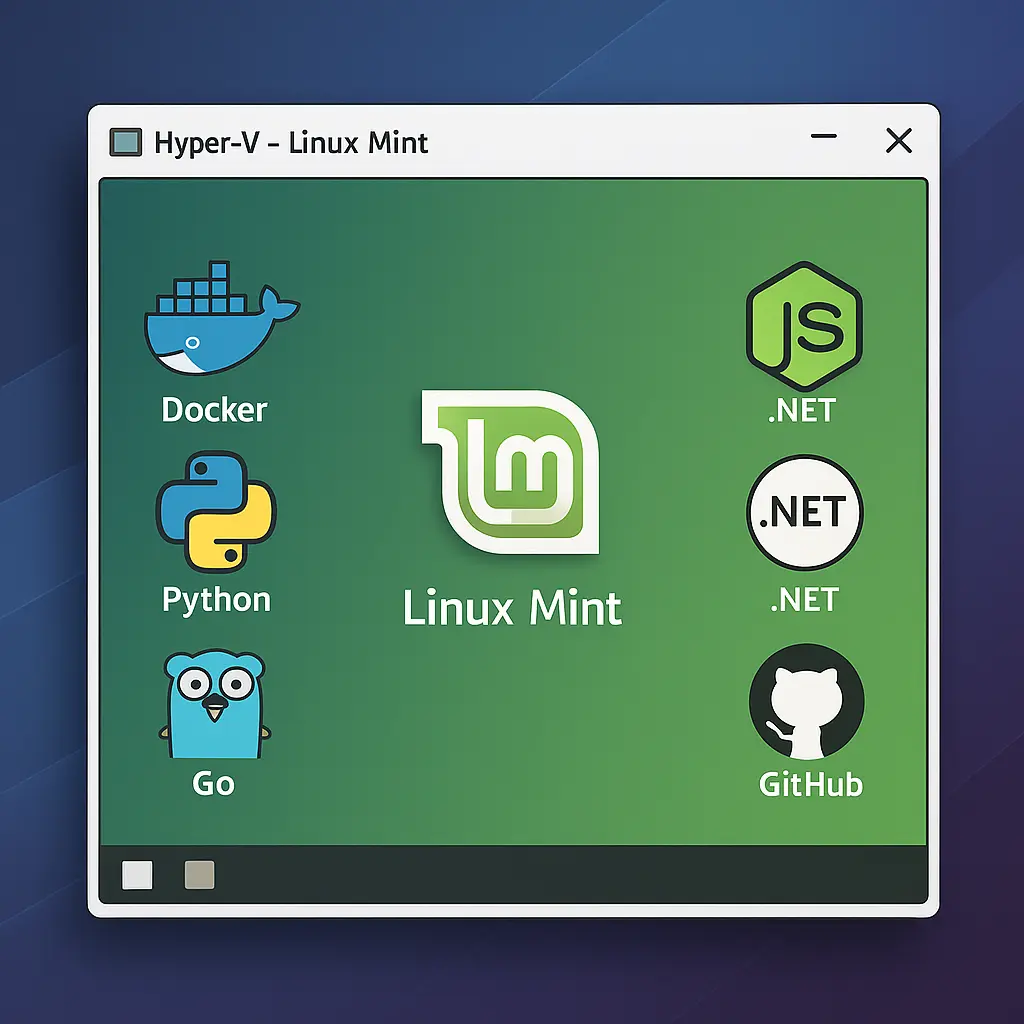
Some development habits are hard to let go of, especially when they keep your main machine clean and your experiments safely contained. Running Linux virtual machines on Windows may look like extra work from the outside, but behind that choice there is a simple need: predictable, disposable, and reusable environments. Of course, this comfort brings its own small battles-network settings, disk choices, package versions, security, and the endless little fixes that turn a fresh machine into a real workspace.