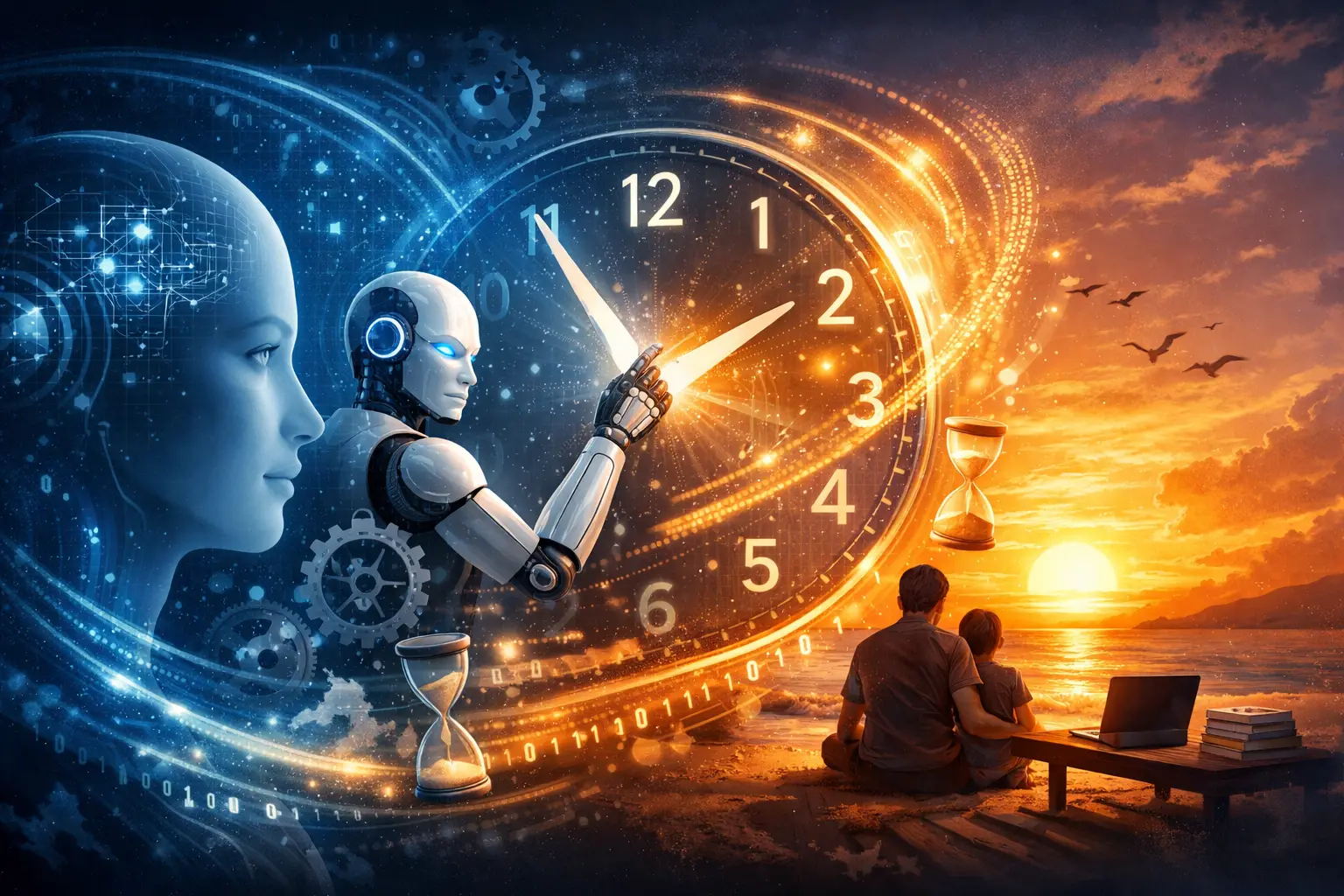
Sometimes a simple parking choice is not just about where to leave the car. It becomes a question of comfort, stress, time, and the quiet calculations we make without noticing. From that small moment, a larger question begins to appear: when we use artificial intelligence, are we only trying to move faster, or are we also buying something less visible? Perhaps the real matter is not how much time we save, but what kind of depth we can still build while moving so quickly.
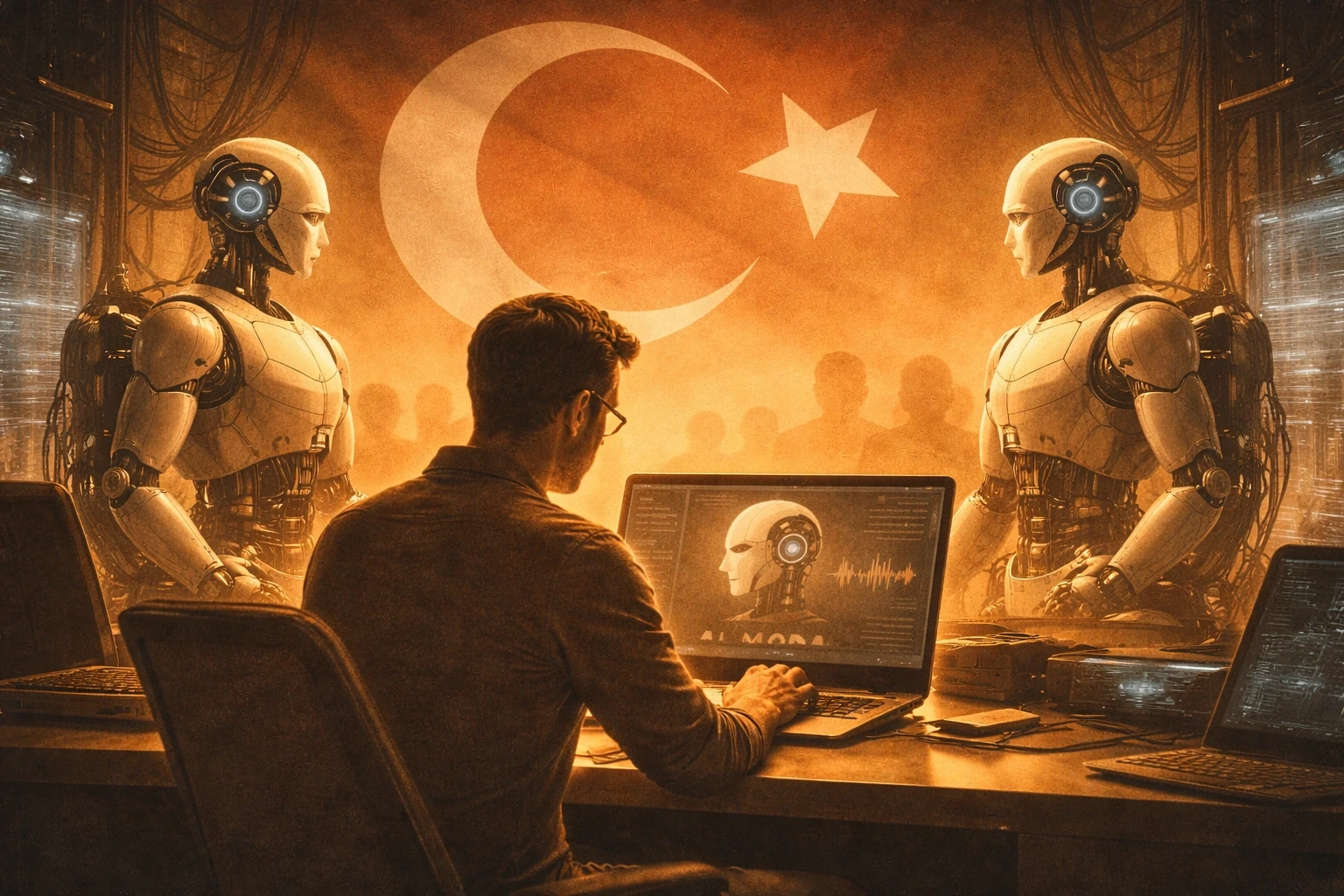
We often speak about artificial intelligence as if it belongs only to laboratories, giant companies, or people with deep mathematical knowledge. But perhaps the real question is smaller and more uncomfortable: where do we stand in this change, and what are we willing to do with what we have? Between envy, hesitation, local difficulties, and the simple desire to contribute, this is a search for a personal lane in the AI age-not to make the biggest leap, but to keep walking.
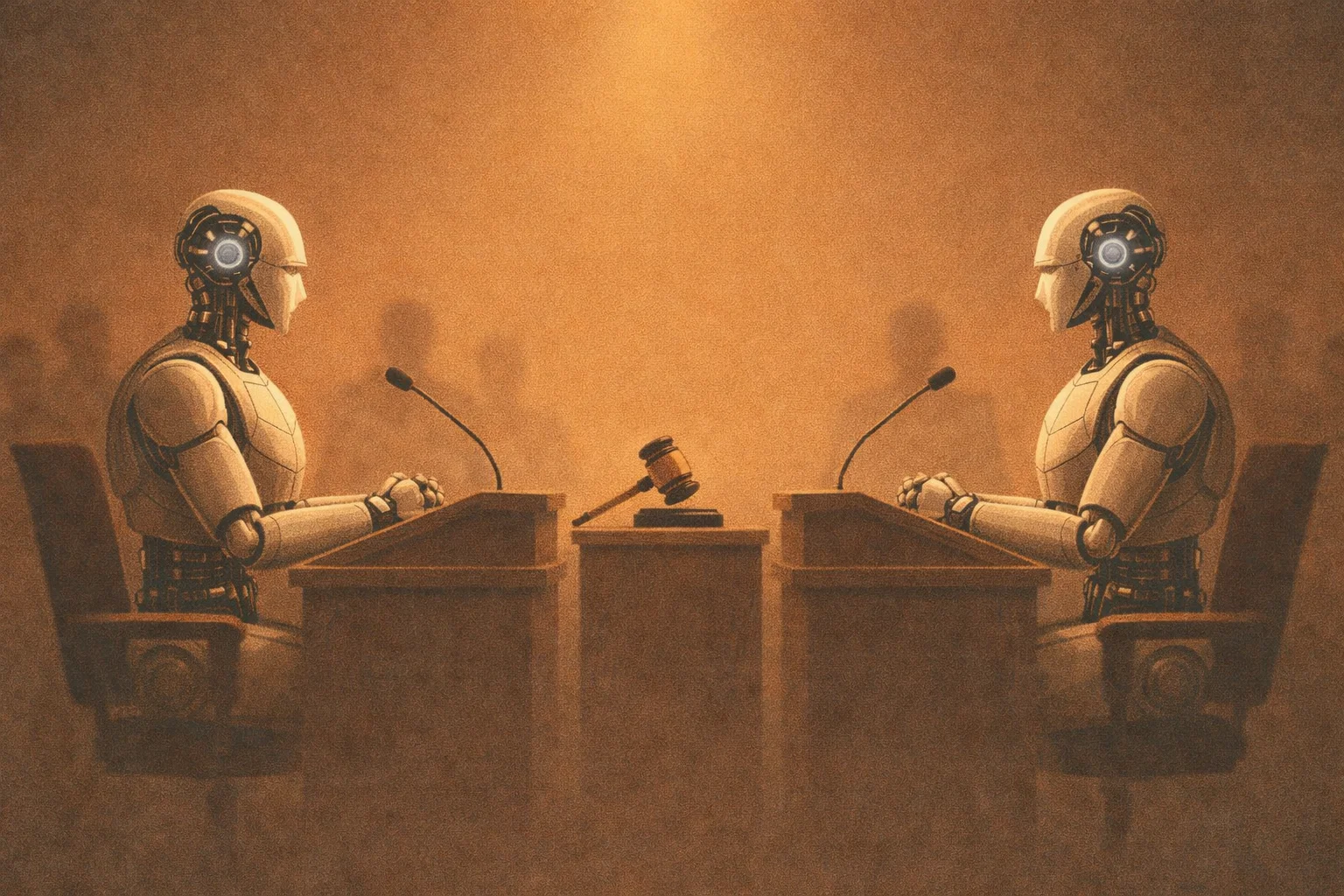
What if the question is not whether artificial intelligence will replace us, but whether we can use it to train the parts of ourselves we tend to avoid? Behind the familiar fear of lost jobs sits a quieter challenge: thinking more clearly, listening more carefully, defending an idea without becoming attached to it. Starting from a report about the future of work, this experiment turns AI into something unexpected: not just a tool, but a sparring partner for the mind.