Sometimes a simple parking choice is not just about where to leave the car. It becomes a question of comfort, stress, time, and the quiet calculations we make without noticing. From that small moment, a larger question begins to appear: when we use artificial intelligence, are we only trying to move faster, or are we also buying something less visible? Perhaps the real matter is not how much time we save, but what kind of depth we can still build while moving so quickly.
We often speak about artificial intelligence as if it belongs only to laboratories, giant companies, or people with deep mathematical knowledge. But perhaps the real question is smaller and more uncomfortable: where do we stand in this change, and what are we willing to do with what we have? Between envy, hesitation, local difficulties, and the simple desire to contribute, this is a search for a personal lane in the AI age-not to make the biggest leap, but to keep walking.
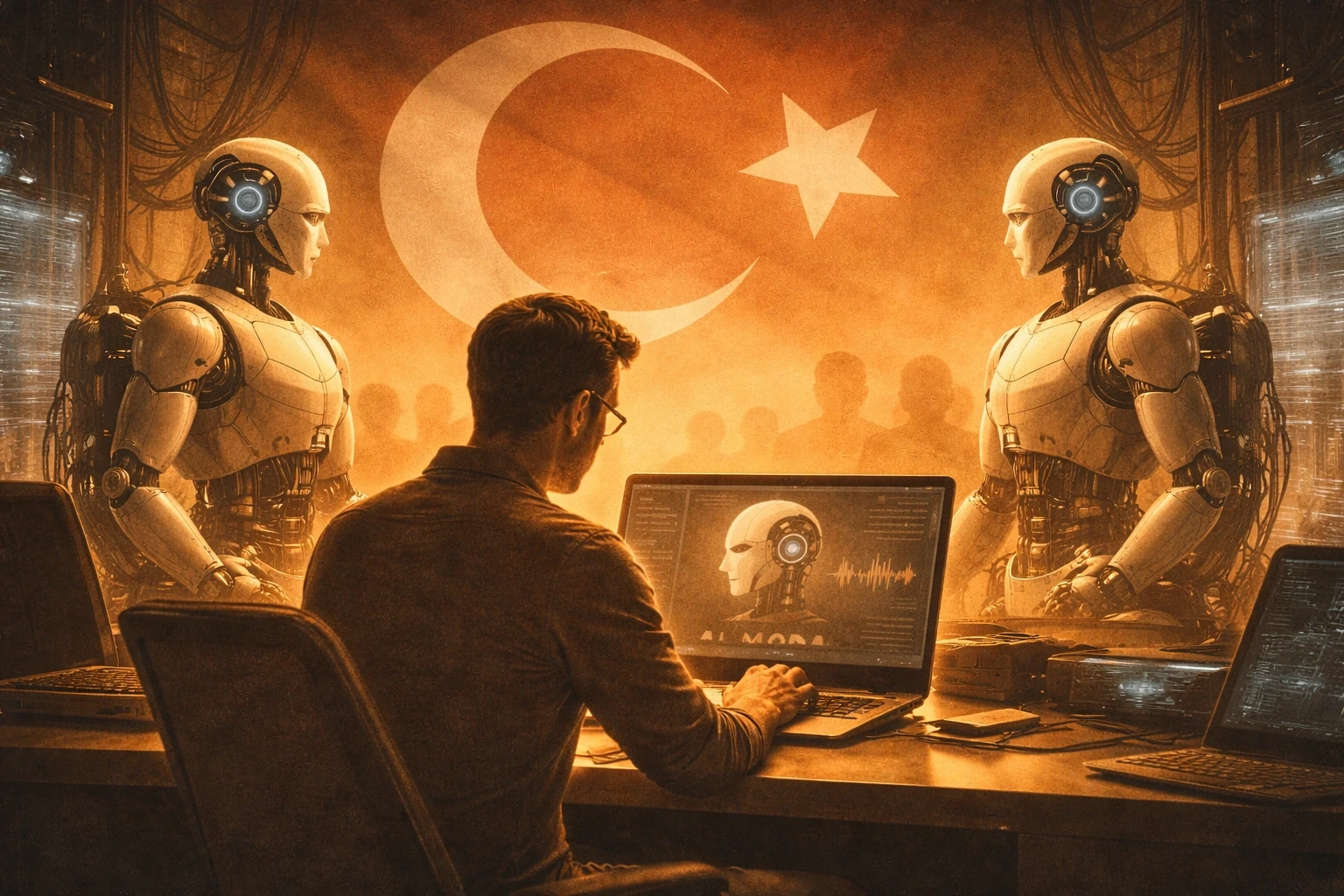
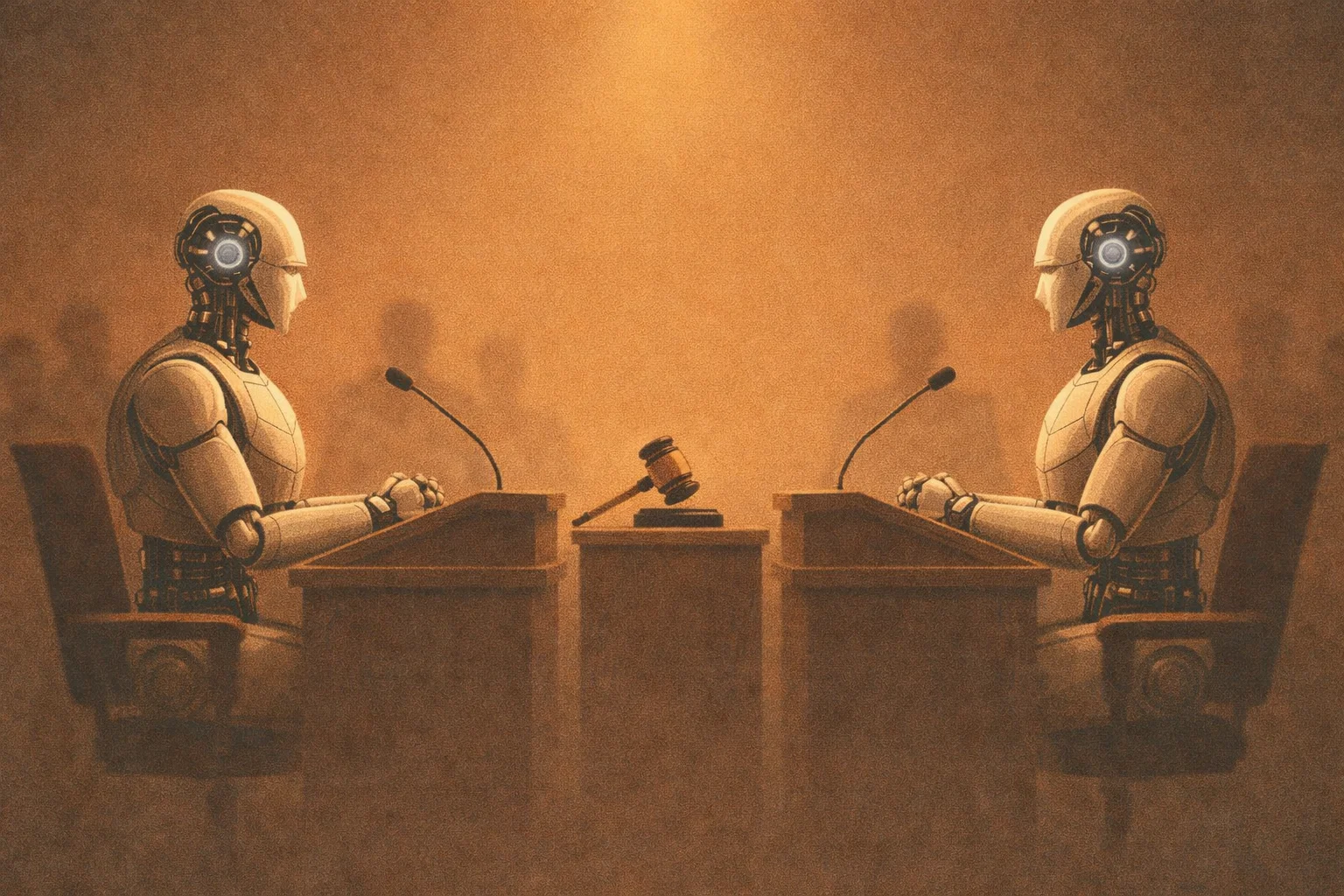
What if the question is not whether artificial intelligence will replace us, but whether we can use it to train the parts of ourselves we tend to avoid? Behind the familiar fear of lost jobs sits a quieter challenge: thinking more clearly, listening more carefully, defending an idea without becoming attached to it. Starting from a report about the future of work, this experiment turns AI into something unexpected: not just a tool, but a sparring partner for the mind.
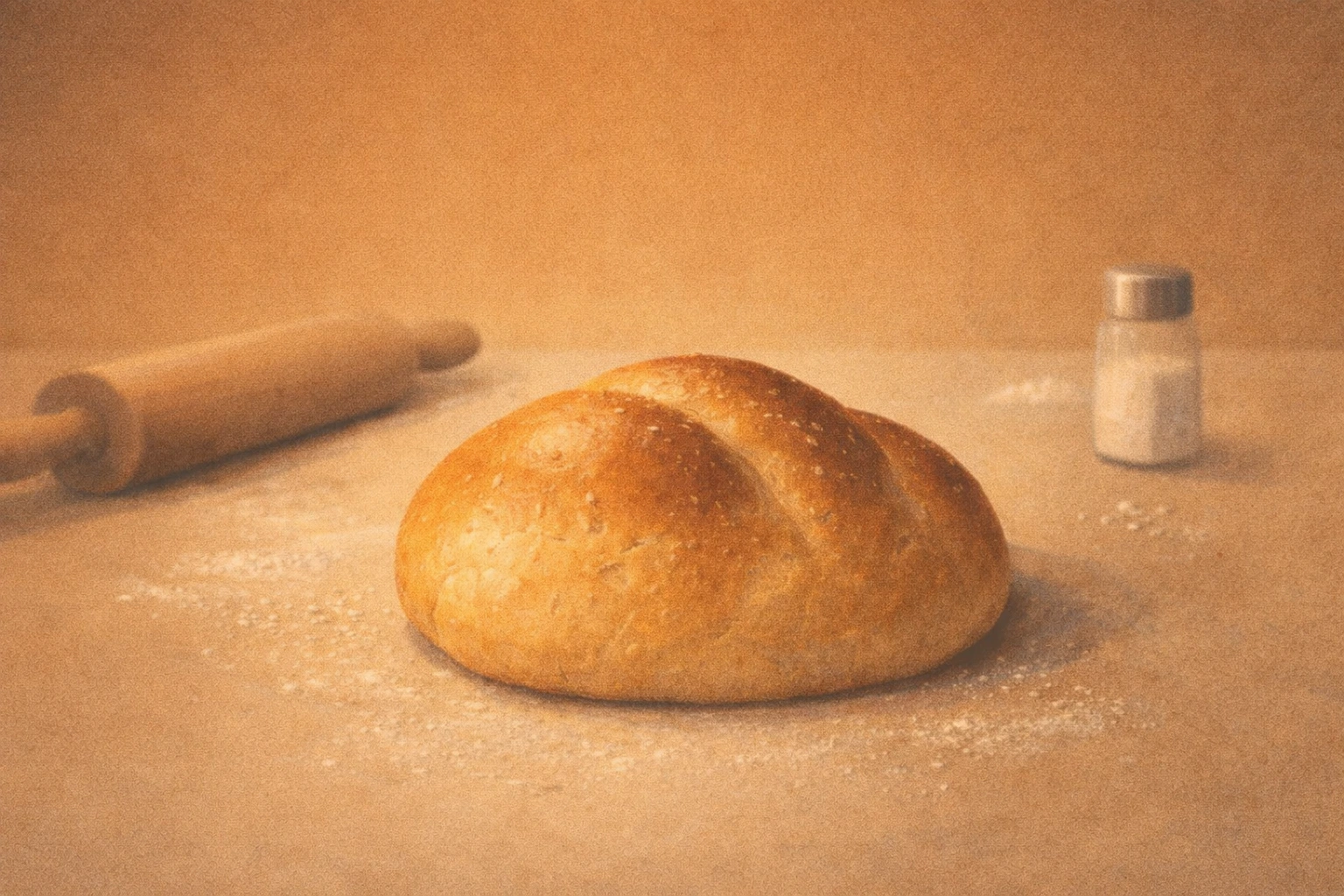
Some failures begin quietly, in the middle of an ordinary kitchen. A recipe changes, a step is forgotten, and what should have been bread turns into something else entirely. But sometimes the real question is not whether the result is successful. It is what happens inside us while we try, fail, hesitate, begin again, or stop ourselves before even starting. From childhood memories to a child's first steps, this is a reflection on the strange courage hidden in imperfect attempts.
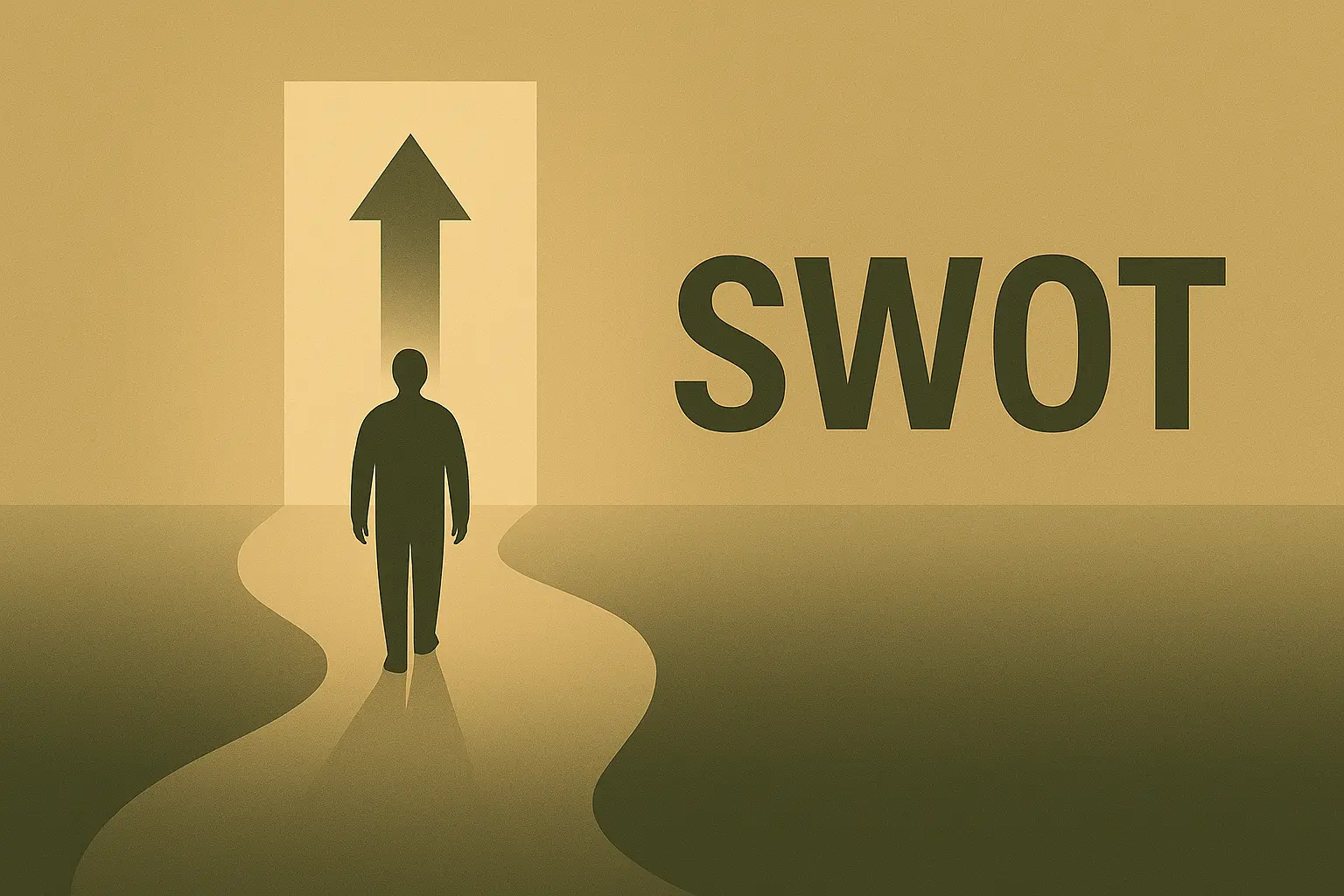
Sometimes a SWOT analysis leaves us with more questions than answers. Strengths look safe until they begin to slow us down, weaknesses may not truly belong to us, and threats often appear only after they have already started blocking the way. The Opportunity Zone method begins from that tension: how can each part of SWOT become something more practical, more personal, and more connected to action? This is not a shortcut to growth, but an attempt to look at familiar headings from a more useful angle.
A SWOT analysis can make your current situation visible, but visibility alone does not create change. The real question begins afterward: what will you protect, what will you improve, which opportunities deserve attention, and which threats are quietly pulling you back? From familiar business stories to personal health lessons, this guide looks at SWOT not as a static table, but as a decision point. Because sometimes the most dangerous choice is the one that looks like doing nothing.
Values often feel like familiar words we already understand, but the moment we try to name our own, things become less certain. Are the principles we choose truly ours, or are they shaped by the environments we live in, the needs we carry, and the pressures we don't always notice? Identifying values is not only about making a list; it is also a quiet confrontation with how we decide, what we lack, and where our authentic self begins.
Before taking a strategic step, it helps to pause and see the current situation as clearly as possible. SWOT analysis offers a simple but powerful way to do that-if the answers are honest, genuine, and interpreted carefully. Strengths, weaknesses, opportunities, and threats may seem familiar at first glance, yet the real value appears when these findings are grouped, questioned, and turned into insight. Because sometimes the greatest risk is not outside; it is the weakness we leave untouched.
Beneath the calm surface of scuba diving, there is more than silence, weightlessness, and the quiet beauty of marine life. There is a discipline that begins long before entering the water and follows every breath beneath it. What appears peaceful from the outside carries rules, habits, and small decisions that can change everything. This journey looks back at years of diving not as a manual, but as a way to understand the fragile balance between trust, environment, and human responsibility.